Rental Income and Personal Taxes: What Every Canadian Property Owner Needs to Know
Earning rental income in Canada? Learn how to report it correctly, what expenses you can deduct, and how to minimize your tax bill. Expert guidance from DCP Accounting.
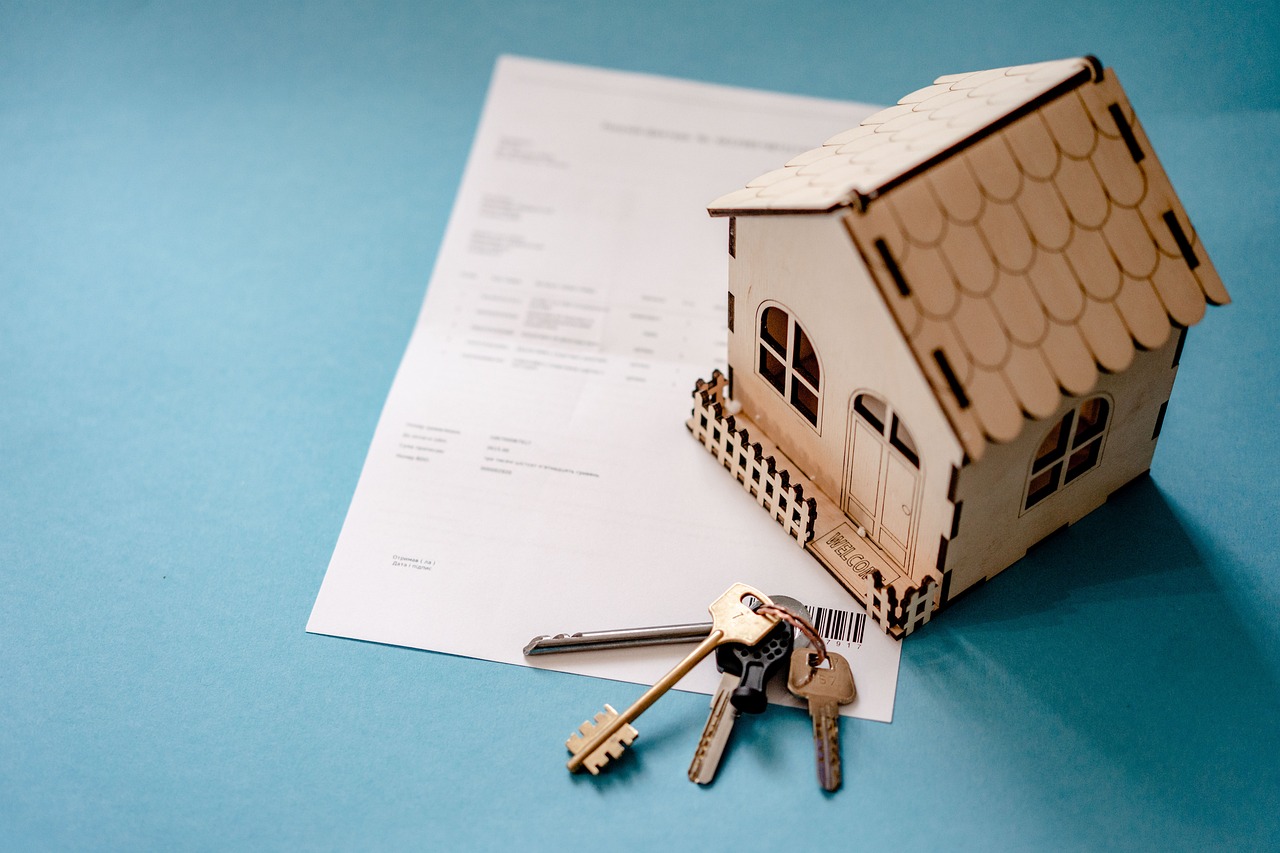
If you own a rental property in Canada — whether it's a second home, a basement suite, an Airbnb, or a commercial unit — you have reporting obligations to the CRA. But being a landlord also comes with significant tax-saving opportunities that many property owners don't fully utilize. This guide breaks down everything you need to know about rental income and taxes in Canada.
Do I Have to Report Rental Income?
Yes — all rental income earned in Canada is taxable and must be reported on your personal tax return using Form T776 (Statement of Real Estate Rentals). This includes income from long-term tenants, short-term Airbnb or VRBO rentals, basement apartments, and commercial properties. The CRA has increasingly focused on rental income compliance, particularly for short-term rental platforms, which now share data directly with tax authorities.
Airbnb & Short-Term Rentals: Since 2023, short-term rental platforms are required to report host earnings to the CRA. If you earn income through these platforms, assume the CRA already knows about it.
What Rental Expenses Can I Deduct?
The good news: being a landlord comes with a long list of legitimate deductions that can dramatically reduce your net rental income — and therefore your tax bill. Deductible rental expenses include:
Mortgage interest (note: not the principal repayment, only the interest portion)
Property taxes
Home insurance (proportional to rental use if part of your primary home)
Utilities paid by you, the landlord
Repairs and maintenance (routine upkeep, not capital improvements)
Advertising and tenant-finding costs
Property management fees
Accounting and legal fees related to the rental
Travel expenses to collect rent or oversee the property
Office supplies and administrative costs
Repairs vs. Capital Improvements: A Critical Distinction
This distinction trips up many property owners. A repair maintains the current condition of the property (e.g., fixing a broken window, patching drywall) and is fully deductible in the year it's incurred. A capital improvement enhances the property or extends its useful life (e.g., adding a new bathroom, replacing the entire roof) and must be added to the cost basis of the property and claimed through Capital Cost Allowance (CCA) over time.
Capital Cost Allowance (CCA) on Rental Properties
CCA is the tax term for depreciation on a rental property. Residential rental buildings fall under Class 1 (4% declining balance). You can optionally claim CCA each year to reduce your rental income — however, many accountants advise against claiming CCA on rental properties unless you have other strategies in place, because CCA recapture is taxable when you eventually sell the property.
Strategy Note Whether to claim CCA on a rental property is a nuanced decision that depends on your overall tax position, how long you intend to hold the property, and other factors. This is one area where professional advice genuinely pays for itself.
If You Rent Part of Your Principal Residence
Many Canadians rent out a basement suite or a portion of their home. In this case, you can only deduct expenses proportional to the rented space. For example, if you rent 30% of your home's square footage, you can deduct 30% of eligible expenses (mortgage interest, utilities, insurance, property taxes).
Be aware: designating part of your principal residence as a rental can affect your principal residence exemption when you sell. This is another reason to get professional advice before making structural decisions about your rental arrangement.
Rental Income vs. Business Income: Does It Matter?
For most residential landlords, rental income is classified as "property income" and reported on Form T776. However, if you provide significant services to tenants beyond basic accommodation (like regular cleaning, meals, or concierge-style services — common in some Airbnb setups), the CRA may reclassify your income as business income, which has different tax implications and may trigger HST obligations.
HST and Rental Properties
Long-term residential rentals (one month or more) are generally exempt from HST. However, short-term rentals (less than 30 days) are subject to HST if your annual revenues exceed $30,000. If you cross this threshold, you must register for a GST/HST account and remit tax on your short-term rental income.
Record Keeping for Rental Properties
The CRA requires you to keep records for a minimum of six years. For rental properties, this means retaining all receipts, invoices, bank statements, lease agreements, and any records related to capital improvements. A simple folder (physical or digital) organized by year and property goes a long way toward keeping you audit-ready.
Document How Long to Keep
Annual rental income/expense records6 years from filing date Capital improvement receipts6 years after property is sold Original purchase documentsIndefinitely (until sold + 6 years) Lease agreementsDuration of tenancy + 6 years
Working with a Tax Professional
Rental property taxation in Canada involves dozens of decisions that compound over the years. Working with a professional accountant from the start — not just at tax time — helps you make the right structural decisions, maximize your deductions, and avoid costly mistakes.
Own Rental Property? Let's Talk Tax Strategy.
DCP Accounting specializes in helping Canadian landlords report rental income correctly and minimize their tax liability. Book your consultation today.
Book a Consultation
Ready to Get Started?
At DCP Accounting, we help Canadian businesses and individuals navigate rental income reporting and property tax deductions. Book a consultation today and let our expert team guide you toward financial success.